
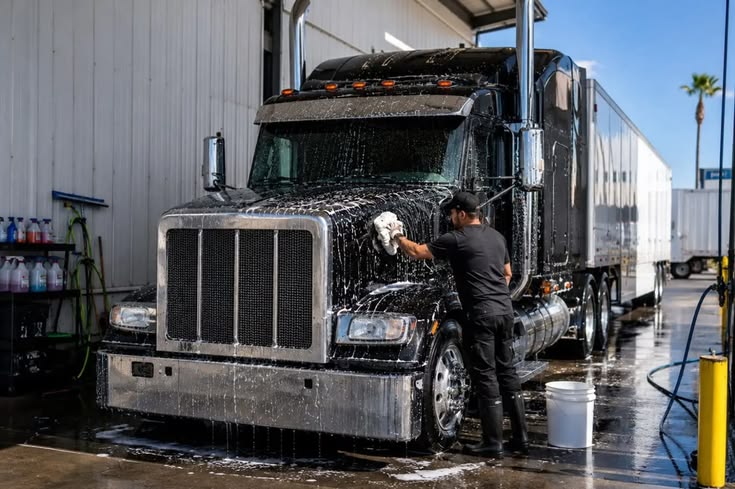

When businesses invest in trucks, buses, delivery vans, or RVs, they typically plan for a long operational lifecycle. From acquisition to eventual resale, every stage of that lifecycle involves decisions that affect performance, durability, and cost.
While maintenance schedules, fuel management, and repairs are carefully tracked, one factor often underestimated in lifecycle planning is vehicle cleaning. Regular washing plays a quiet but important role in how long a vehicle lasts and how well it performs over time.
Stage 1: Early Use and Asset Protection
When a vehicle is new, its exterior coatings, paint, and protective layers are in their best condition. This is the ideal time to establish proper cleaning routines.
Early-stage washing helps:
- Preserve factory paint and coatings
- Prevent contaminants from bonding to surfaces
- Maintain a “like-new” condition longer
- Set operational standards from the beginning
Fleets that implement structured cleaning from day one tend to maintain better overall vehicle condition throughout the lifecycle.
Stage 2: Daily Operations and Exposure
As vehicles move into full operation, they are exposed to constant environmental stress. High mileage, changing weather, and different terrains introduce contaminants such as:
- Road salt and chemicals
- Dust and sand
- Oil and fuel residue
- Mud and debris
At this stage, washing becomes less about appearance and more about protection. Regular cleaning removes substances that would otherwise accelerate wear and corrosion.
Stage 3: Mid-Life Maintenance and Efficiency
During the mid-life phase of a vehicle, maintenance demands typically increase. Components begin to show signs of wear, and inspections become more frequent.
Clean vehicles provide a clear advantage here. They allow maintenance teams to:
- Detect early signs of corrosion
- Identify leaks or mechanical issues
- Perform faster and more accurate inspections
- Reduce preparation time before servicing
At this stage, consistent cleaning helps control maintenance costs and improves operational efficiency.
Stage 4: Heavy Use and Performance Preservation
As vehicles age, they often face more demanding workloads or extended usage cycles. Without proper care, accumulated grime and contaminants can begin to impact performance.
Key risks during this stage include:
- Corrosion spreading to structural components
- Dirt affecting moving parts
- Reduced efficiency due to buildup around critical systems
Routine washing helps slow this degradation process and keeps vehicles functioning reliably even in later years of operation.
Businesses often rely on structured solutions like Truck Wash Equipment to maintain consistent cleaning standards across vehicles at different lifecycle stages.
Stage 5: Preparing for Resale or Replacement
At the end of a vehicle’s lifecycle, condition becomes a major factor in determining resale value. Vehicles that have been regularly cleaned and maintained tend to:
- Show less visible wear
- Have fewer corrosion issues
- Require less reconditioning
- Retain higher market value
A well-maintained exterior and undercarriage can significantly influence how a vehicle is evaluated by buyers or resellers.
Cleaning and Total Cost of Ownership
When looking at the total cost of ownership, cleaning may seem like a minor expense. However, its impact accumulates over time.
Regular washing contributes to:
- Lower repair costs
- Extended component lifespan
- Reduced downtime
- Better resale returns
These factors combine to create measurable financial benefits across the life of a fleet vehicle.
Integrating Cleaning Into Lifecycle Planning
Fleet operators are increasingly integrating washing into broader lifecycle management strategies. Instead of treating cleaning as a separate task, it becomes part of a continuous maintenance cycle.
This integrated approach ensures:
- Consistent vehicle condition
- Predictable maintenance schedules
- Improved operational efficiency
- Stronger asset management
By aligning cleaning with other maintenance activities, fleets can achieve better long-term outcomes.
Final Thoughts
The lifecycle of a commercial vehicle involves more than mechanical upkeep. Every stage—from initial use to final resale—is influenced by how well the vehicle is maintained, both inside and out.
Regular washing helps protect surfaces, support inspections, and extend the usable life of fleet assets. While it may not always receive the same attention as other maintenance activities, its impact is felt across the entire lifecycle.
For businesses focused on long-term performance and cost efficiency, vehicle cleaning is not just a routine—it is an essential part of managing fleet value over time.
