



Author: Najaf Bhatti


Cryptocurrency Regulation and Taxes in the USA: The Complete Guide Cryptocurrency is legal to own and use in the United States, but that does not place it outside the financial or tax system. Depending on how a digital asset is issued, sold, transferred, held, or used, a transaction may fall under tax law, securities law, commodities regulation, anti-money-laundering requirements, sanctions rules, consumer-protection laws, or state licensing requirements. For federal tax purposes, the Internal Revenue Service generally treats digital assets as property rather than currency. Selling cryptocurrency, exchanging one token for another, or spending cryptocurrency can therefore create a taxable gain…

BCrypto marketing is the disciplined process of building awareness, trust, qualified demand, responsible adoption, and retention for a cryptocurrency or blockchain-related business. It may combine search engine optimization, educational content, digital public relations, editorial outreach, guest contributions, influencer partnerships, community programs, email, social media, product positioning, and paid advertising. The objective is not simply to attract attention. It is to connect a legitimate product with an appropriate audience, explain the product accurately, help people evaluate its benefits and risks, and measure whether marketing activity produces meaningful business outcomes. The category requires more care than an ordinary consumer campaign. A crypto…

Blockchain technology is a method for maintaining a shared record across a network of computers. Transactions are digitally signed, validated under agreed rules, grouped into blocks and linked using cryptography. Copies of the ledger are maintained by network participants, and a consensus mechanism determines which updates the network accepts. Blockchain is best known as the technology associated with cryptocurrencies, but the two terms are not interchangeable. A blockchain is infrastructure; cryptocurrency is one possible application and incentive mechanism. Some blockchain networks support digital assets and programmable applications, while permissioned systems may be designed for approved organizations without a publicly traded…

Owning cryptocurrency introduces a responsibility that many traditional financial accounts hide from the customer: access often depends on cryptographic keys, transaction signatures, networks, addresses, and recovery procedures. A single rushed approval, exposed seed phrase, fake support message, or transfer to the wrong address can cause an irreversible loss. That does not mean every user must become a cybersecurity engineer. It means wallet selection and security should be treated as a system—not as a one-time product purchase. A secure setup combines: an appropriate custody model; a wallet that supports the correct assets and networks; trustworthy software or hardware; protected recovery information;…
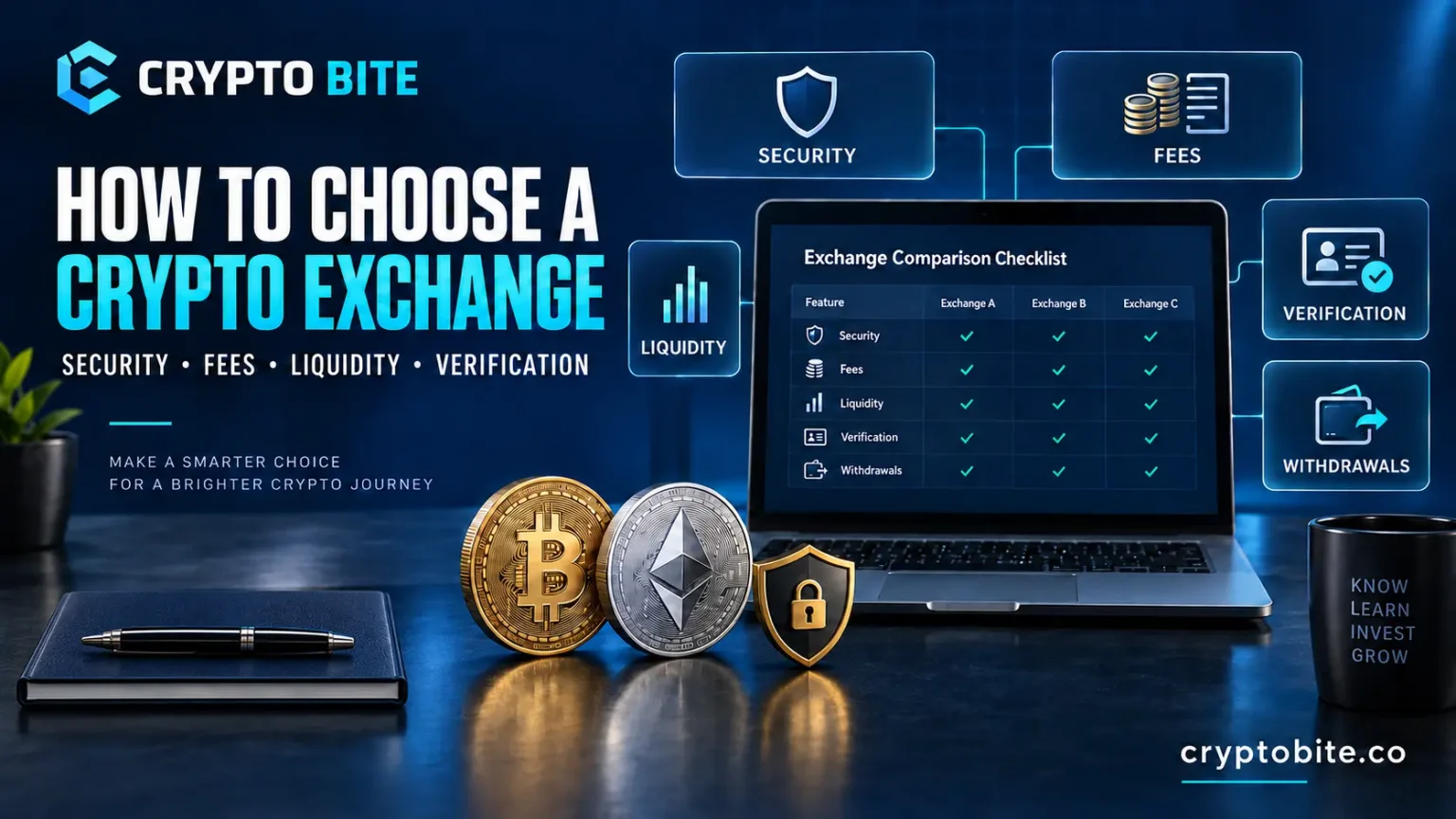
Quick answer: How should you choose a crypto exchange? Choose a crypto exchange by confirming that it legally serves your state, investigating the operating company, understanding who controls your assets, and comparing the total cost of buying and withdrawing—not just the advertised trading fee. Then review security controls, liquidity, supported assets and networks, funding methods, withdrawal limits, verification requirements, customer support, and tax-record tools. Before depositing a meaningful amount, create the account directly through the official website, enable strong security, make a small purchase, and test a small withdrawal to a wallet you control. No exchange is risk-free, and no…
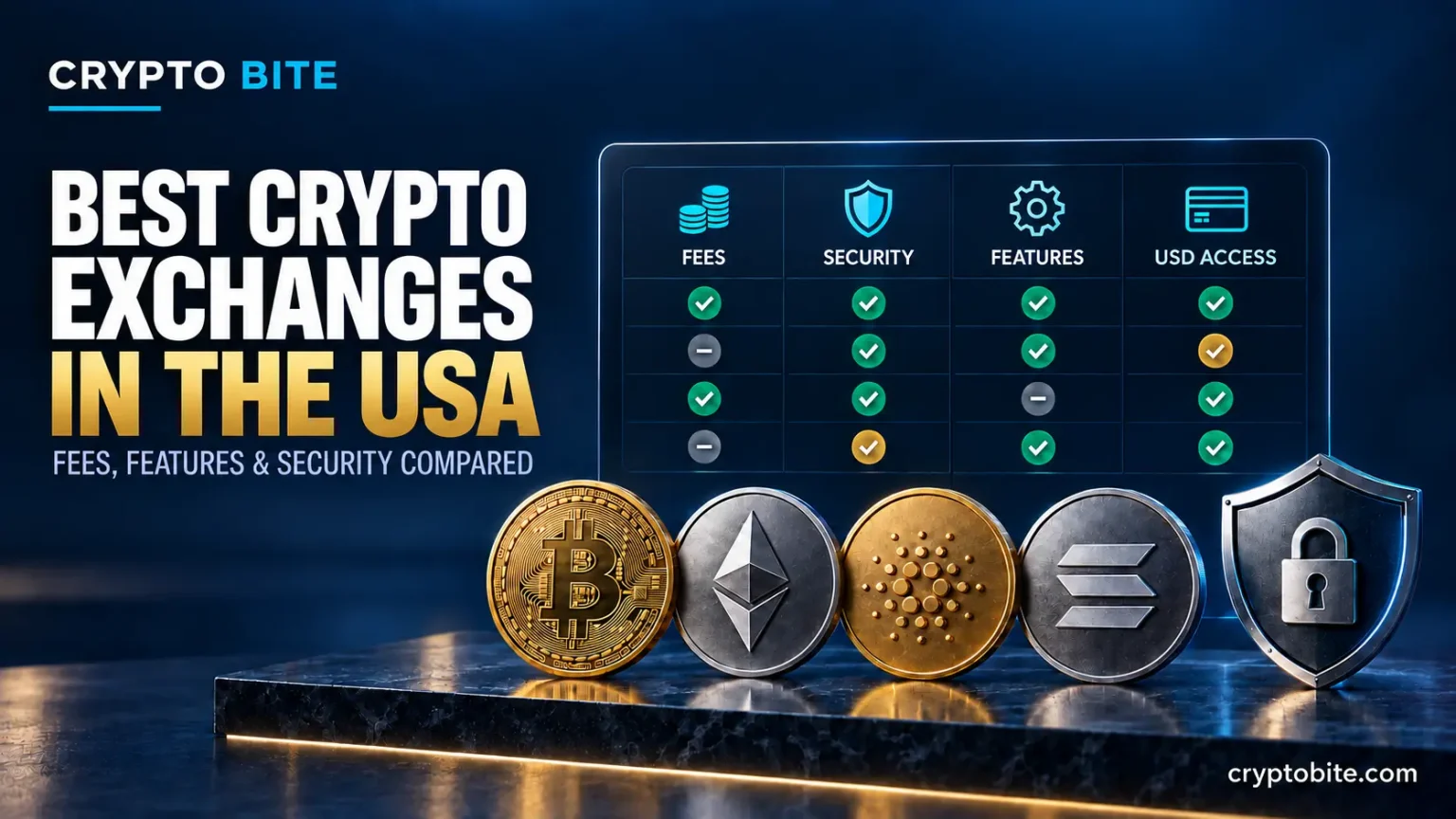
Choosing a crypto exchange in the United States requires more than finding the app with the largest coin list or the lowest advertised fee. The total experience depends on where you live, how you fund the account, which order type you use, the spread at execution, withdrawal costs, custody controls, supported networks, customer support, and whether the platform offers the specific product legally in your state. For many beginners, Coinbase offers the most approachable overall experience and a separate advanced interface. Kraken is a strong option for traders who value order controls and a mature exchange interface. Binance.US advertises especially…
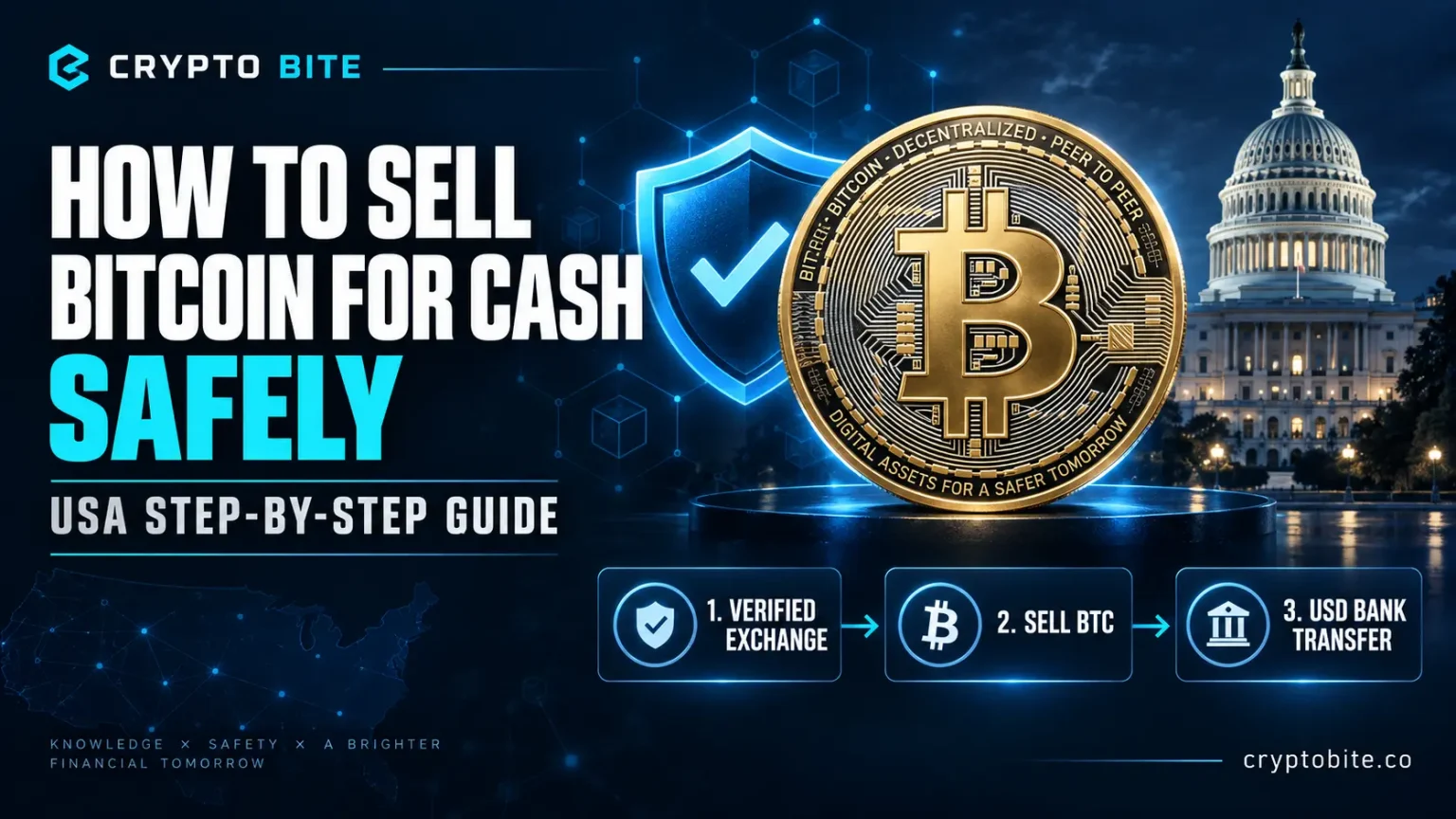
Selling Bitcoin for cash usually means converting BTC into U.S. dollars and moving the proceeds to a bank account or another dollar-based payment method. The trade itself may take seconds, but safe cashing out requires more than pressing a sell button. You need to choose an appropriate method, protect your account, confirm addresses, understand order execution, account for fees, and keep tax records. Quick answer: To sell Bitcoin for cash, use a reputable service available in your state, secure and verify your account, transfer BTC to the correct Bitcoin deposit address if necessary, sell BTC for USD, and withdraw the…

Selling cryptocurrency can be straightforward, but one rushed decision can lead to an expensive and sometimes irreversible mistake. The safest approach is to plan the sale, use a platform you have independently verified, protect your account, confirm the asset and network, review the full transaction cost, and preserve records for tax reporting. Quick answer: To sell cryptocurrency safely, choose a reputable platform available in your state, secure your account with strong authentication, confirm that the platform supports your exact asset and network, send a small test transaction if transferring from a wallet, use an appropriate order type, review fees and…
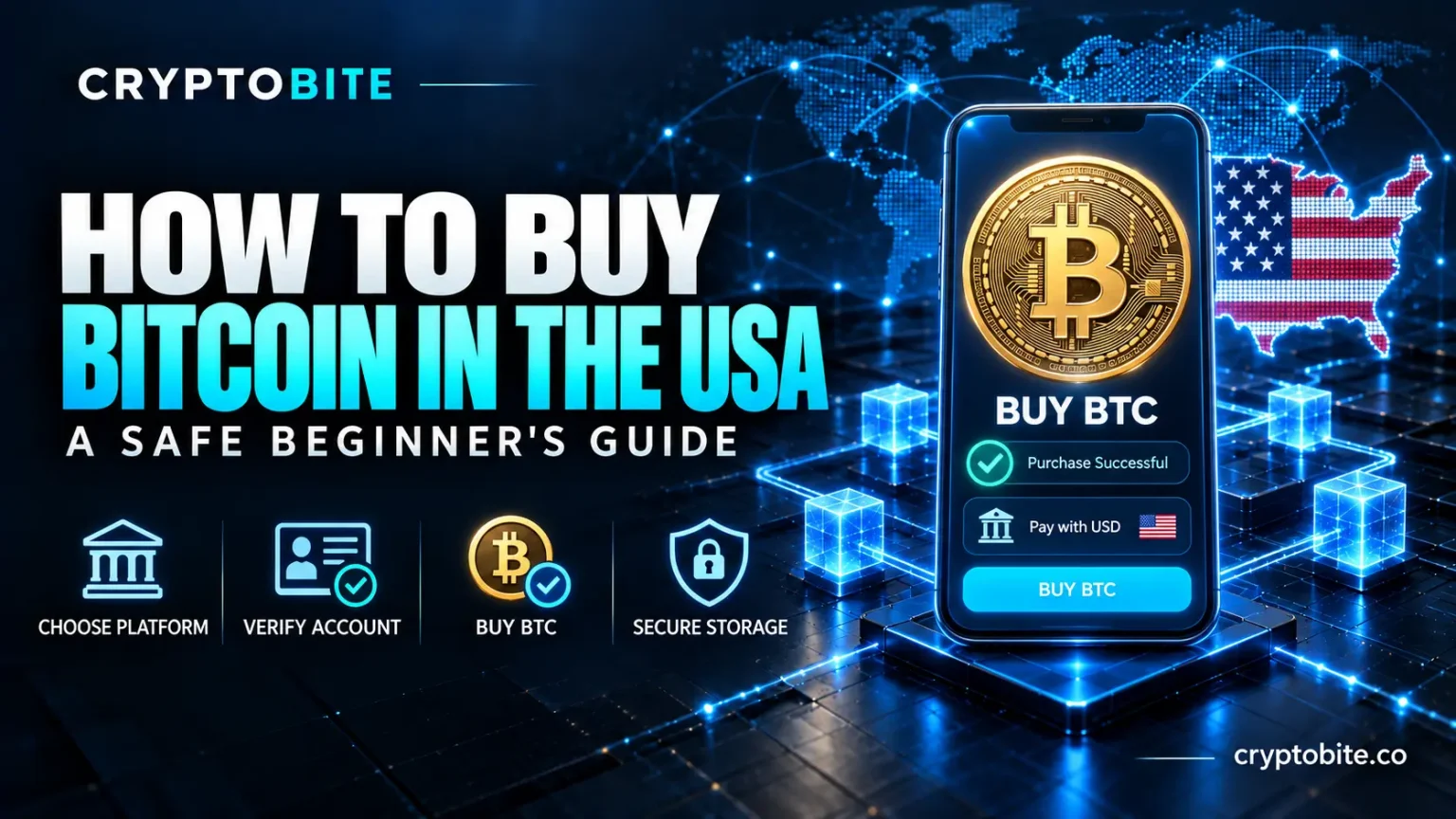
How to Buy Bitcoin in the USA To buy Bitcoin in the USA, choose a reputable platform that serves your state, create and secure an account, complete identity verification, deposit U.S. dollars, review the Bitcoin price and total fees, and place a small BTC order. After the purchase, decide whether the platform will hold the bitcoin or whether you are ready to transfer it to a Bitcoin wallet you control. The process can take only a few minutes once an account is approved, but speed should not be the goal. A safe first purchase requires checking the provider, understanding the…

How to Buy Cryptocurrency for the First Time To buy cryptocurrency for the first time, choose a reputable platform available in your U.S. state, create and secure an account, complete any required identity verification, deposit U.S. dollars, select a cryptocurrency, review the price and total fees, and place a small order. After purchasing, decide whether to keep the asset with the platform or transfer it to a wallet you control. The buttons may look simple, but a responsible first purchase starts before clicking “Buy.” You need to understand what you are purchasing, how the platform charges you, who controls the…